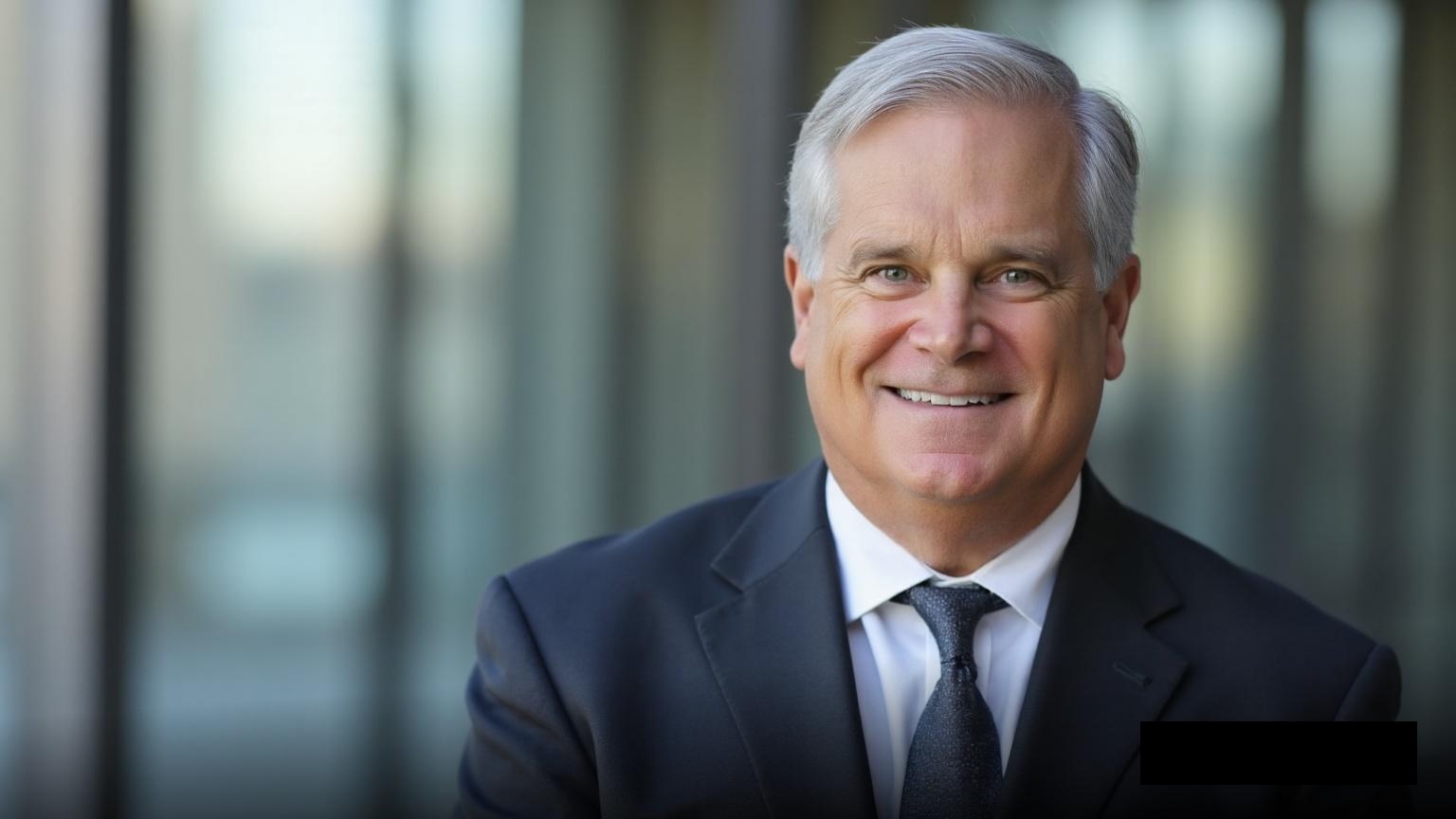
When Bill Marler was 16 years old, he ran away from home and became a migrant worker for a while, living in squalid cabins, sleeping outdoors, and hitchhiking rides to farms to pick crops.
The low point of Marler’s life came when he lost a gig and completely ran out of money.
For a week, he lived on just a five-pound sack of pancake flour.
“And it has changed my perspective on pancakes I have to admit,” admits Marler, ruefully. “Anytime pancakes come up as something for breakfast, my children have had to hear my pancake story. I think they now avoid making pancakes because they don’t want to hear my story again.”
Marler’s brief stint as a farmhand also gave him a lifelong empathy for migrant workers and a deep connectivity to food and food safety issues. More than anything, it also made him realize the importance of a college education and he went on to become a lawyer.
By sheer happenstance, one day, Marler got a referral for an E. coli case tied to the Jack In The Box hamburger chain. What started as one case turned into a multi-million dollar class action settlement, putting Marler and his law firm, Marler Clark, LLP., forever on the map on food safety lawsuits and advocacy.
Marler has frequently testified before Congress, resulting in stronger food safety laws and regulations and is a globally sought-after public speaker on these issues.
As growing numbers of migrant workers and meatpackers fall victim to #Covid-19, Marler says there are profound ramifications to not protecting these frontline workers from the coronavirus. Ramifications that not only devastate these communities but the entire economy and American consumers as a whole.
“We’ve already seen the impact of companies not paying attention to the needs of their workers, because we’re seeing beef prices go up, we’re seeing meat be less available, certain kinds of meats being less available. So you pay for it now by protecting the workers, who also with COVID, go out into your communities and spread the disease throughout the community,” says Marler. “And so it’s not just to protect the worker, which I think is the moral thing to do, but it’s also to frankly protect yourself. And sometimes profits are the focus and we become so shortsighted about the long-term costs to the people, long term costs to the community.”